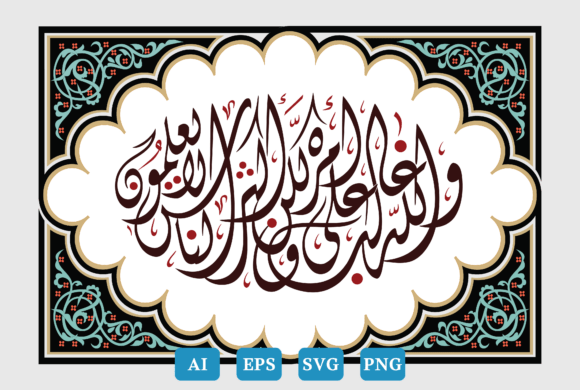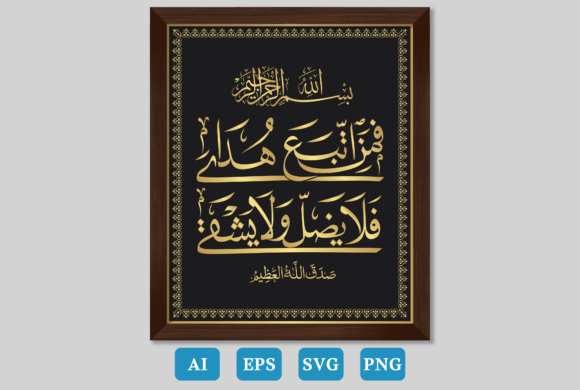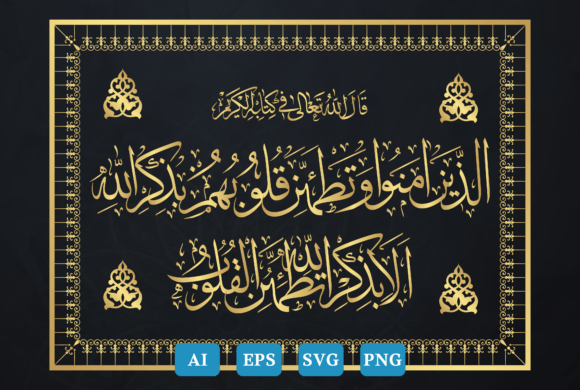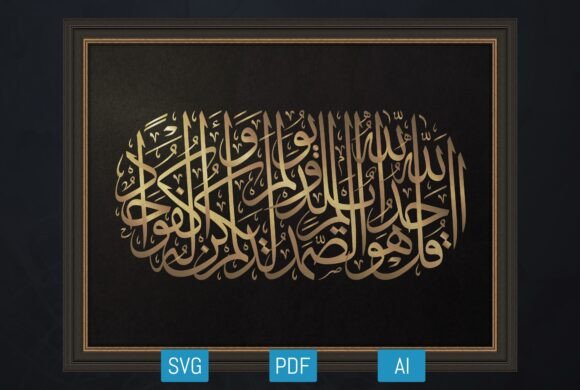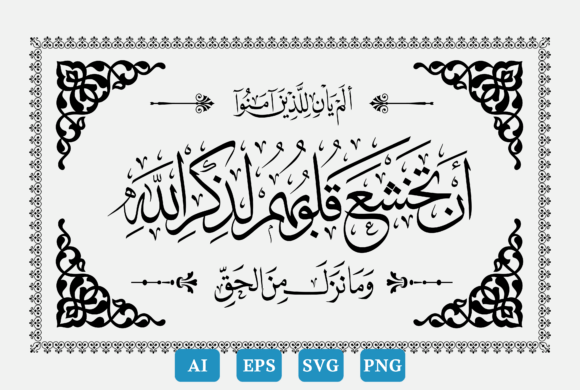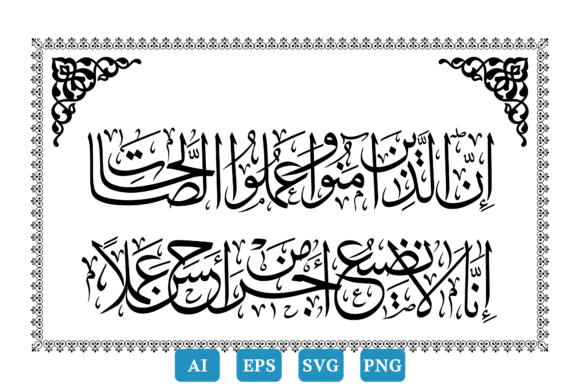
Calligraphy Arabic, Surah Al-Kahf Ayat30
As a designer with years of experience in embroidery and digital graphics, I often find myself evaluating new designs for their practicality, visual impact, and suitability for real-world projects. Calligraphy Arabic, Surah Al-Kahf Ayat30 is one such design that caught my attention for its cultural significance and aesthetic appeal. Whether you're an Etsy seller, a small business owner, or a hobbyist looking to create meaningful handmade products, this design offers a unique opportunity to blend artistry with faith.
The First Impression: Aesthetic and Emotional Impact
From the moment I viewed Calligraphy Arabic, Surah Al-Kahf Ayat30, it struck me as a design that carries both beauty and depth. The flowing script, intricate details, and balanced layout give it a timeless quality that feels right at home on a range of embroidered items. It’s not just a text block—it’s a statement. The calligraphy has a soft yet confident presence, making it ideal for projects that aim to evoke reverence, elegance, or personal meaning.
This design naturally fits into categories like custom apparel, baby items, and holiday gifts. Its clean lines and structured form make it versatile enough for both minimalist and detailed embroidery projects. However, its complexity also means it requires careful handling during the stitching process to maintain clarity and visual harmony.
Real-World Embroidery Performance
When testing Calligraphy Arabic, Surah Al-Kahf Ayat30 on different fabrics, I noticed how well it translates to various surfaces. On cotton tote bags and sweatshirts, the design held up nicely with a clear satin stitch and proper stabilizer. But when I tried it on thin or stretchy materials, the details became slightly blurred, especially in areas with dense stitching. This highlights the importance of adjusting stitch density and using appropriate stabilizers for optimal results.
For personalized gifts like baby onesies or aprons, the design works well as long as the hoop size accommodates the full layout. Smaller hoop sizes can be problematic, as they may force the design into awkward positions or cause misalignment. Similarly, on curved surfaces like caps, the design benefits from being centered and scaled appropriately to avoid distortion.
One thing to note is that the design’s intricate corners and fine lines may require extra attention. If the lettering is too small or the stitches are too tight, the overall look can become cluttered. This is particularly important for commercial embroidery projects where consistency and professionalism are key.
Where to Use It Carefully
While Calligraphy Arabic, Surah Al-Kahf Ayat30 is visually appealing, there are certain scenarios where it might not perform as well. On dark fabrics, the design may lose some of its detail if the thread color isn’t chosen carefully. Light-colored fabrics, on the other hand, allow the calligraphy to stand out more clearly.
Textured or stretchy fabrics can also pose challenges. For example, on a knitted sweater or a fabric with a rough surface, the design may not lay flat as intended. In such cases, using a tear-away stabilizer can help maintain the design’s integrity. Additionally, for items that will be washed frequently, like kitchen towels or children’s clothing, it’s wise to test the design’s durability before committing to a larger batch.
If you’re planning to use this design for applique or layered garments, consider how it interacts with other elements. It works best as a standalone feature rather than a background element, as its detail can get lost in complex compositions.
Impact on Visual Appeal and Customer Perception
Embroidered products featuring Calligraphy Arabic, Surah Al-Kahf Ayat30 have the potential to elevate the perceived value of your handmade items. Customers often seek meaningful and unique designs, and this one offers both. It adds a sense of authenticity and craftsmanship that resonates with buyers looking for personalized gifts or spiritual reminders.
From a branding perspective, this design can reinforce your identity as a creator who values culture, artistry, and intentionality. It’s especially effective for boutique products, Etsy listings, and craft fair booths where visual storytelling plays a big role in customer engagement.
However, it’s important to present the design thoughtfully. A poorly executed embroidery job—whether due to incorrect hoop size, thread color mismatch, or improper stabilizer—can diminish the design’s impact. Always test the design on scrap fabric first to ensure it meets your standards before moving to the final product.
Practical Designer Notes
Before incorporating Calligraphy Arabic, Surah Al-Kahf Ayat30 into your projects, here are a few key considerations:
- Test the design on scrap fabric to assess how it looks in different conditions.
- Check thread color contrast against the fabric to ensure visibility and clarity.
- Review stitch density to prevent overcrowding or loss of detail.
- Confirm the hoop size required for the full design layout.
- Inspect small details for any potential issues in the embroidery file.
- Test it in black and white mockups to see how it appears without color.
- Compare light and dark fabric backgrounds to determine the best fit.
- Use proper stabilizer for delicate or stretchy fabrics.
- Verify licensing if you plan to sell finished items or digital products.
By taking these steps, you can ensure that your use of Calligraphy Arabic, Surah Al-Kahf Ayat30 enhances your embroidery projects rather than complicates them.
Final Thoughts: A Design Worth Considering
Calligraphy Arabic, Surah Al-Kahf Ayat30 is a design that blends cultural significance with artistic beauty. It’s well-suited for a wide range of embroidery projects, from custom apparel to personalized gifts. However, its success depends on how it’s handled during the stitching process and how it’s presented to customers.
If you’re looking for a design that can add depth and meaning to your handmade products, this one is worth exploring. Just remember to approach it with care, test it thoroughly, and use it in ways that highlight its strengths. With the right application, it can become a standout piece in your craft business or creative portfolio.